

Effervescent tablets are solid dosage forms designed to dissolve quickly in water, releasing carbon dioxide and creating a characteristic fizzing effect. The global effervescent tablet market continues growing rapidly as consumers seek convenient, easy-to-consume supplement alternatives that offer enhanced absorption and pleasant taste.
These innovative tablets emerged in the pharmaceutical industry over a century ago and have become increasingly popular in the dietary supplement sector. Understanding how effervescent tablets work, their manufacturing process, and their advantages helps brand owners evaluate whether this delivery format suits their product strategy.
Boost your wellness with Advanced Supplements. Contact us to explore effervescent options today.
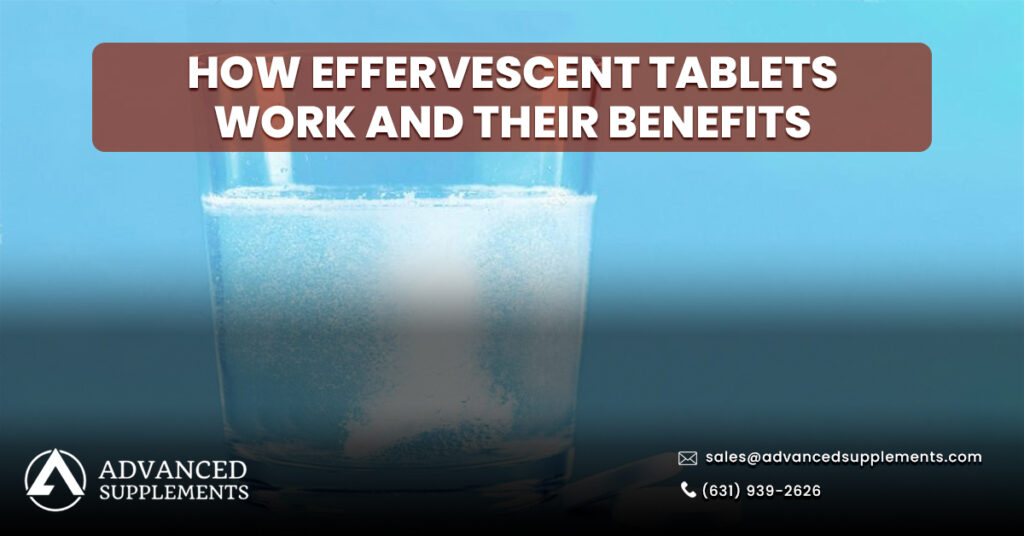
“Effervescent tablets dissolve rapidly in water, creating a fizzy solution that delivers vitamins, minerals, and medications faster than traditional supplements. Understanding how these innovative tablets work helps brand owners and consumers make informed decisions about this popular delivery format.”
Understanding Effervescent Tablet Technology
Effervescent tablets are unique solid dosage forms that transform into liquid solutions through a controlled chemical reaction. When you drop an effervescent tablet into water, it immediately begins fizzing and dissolving, creating a drinkable solution within 1-2 minutes.
The fizzing action results from a chemical reaction between acidic and basic compounds present in the tablet. According to Wikipedia’s comprehensive overview, carbon dioxide is generated by a reaction between a compound containing bicarbonate, such as sodium bicarbonate or magnesium bicarbonate, with an acid like citric acid or tartaric acid.
Both compounds exist in powder form within the tablet and remain stable until contact with water triggers the reaction. This clever formulation allows manufacturers to create shelf-stable products that activate only when consumers are ready to use them.
How Effervescent Tablets Work in Your Body
The effervescent process offers several functional advantages beyond just creating an enjoyable fizzy drink. When tablets dissolve in water before consumption, they bypass the need for extensive breakdown in the stomach and intestines that traditional tablets require.
According to research from ScienceDirect Topics, effervescent preparations may enhance absorption and speed up onset of action by increasing gastric pH, therefore hastening the emptying of medication into the small intestine. The carbon dioxide bubbles may also help intestinal absorption by opening up paracellular transport.
This pre-dissolved state means active ingredients are immediately available for absorption when they reach your digestive system. Studies have shown bioavailability differences of up to 4-fold comparing effervescent tablets with ordinary tablets, highlighting the significant impact this delivery format can have on nutrient availability.
The rapid dissolution also creates more uniform distribution of active ingredients throughout the solution. This prevents localized high concentrations that can sometimes cause gastric irritation with traditional tablets or capsules.
Key Ingredients in Effervescent Tablet Formulations
Creating effective effervescent tablets requires careful selection and balancing of multiple ingredient categories. Each component serves specific purposes that contribute to the tablet’s performance, stability, and consumer appeal.
Effervescent Agents
The core of any effervescent formulation consists of acidic and basic compounds that react to produce carbon dioxide. Sodium bicarbonate is the most commonly used base because it reacts quickly with acids and provides good effervescence. Potassium bicarbonate and sodium carbonate serve as alternatives in specialized formulations.
Citric acid is the preferred acidic component because it creates a pleasant taste, dissolves rapidly, and produces consistent effervescence. Tartaric acid, adipic acid, malic acid, and fumaric acid offer alternative properties for specific applications. The ratio between acid and base determines effervescence speed, intensity, and duration.
Active Ingredients
Active ingredients deliver the intended health benefits and can include vitamins, minerals, electrolytes, amino acids, herbal extracts, or pharmaceutical compounds. Working with experienced supplement manufacturers ensures active ingredients are compatible with the effervescent matrix and remain stable throughout shelf life.
Vitamin C, B-complex vitamins, calcium, magnesium, zinc, and electrolyte blends are popular choices for effervescent supplements. Each active ingredient must be evaluated for stability in the acidic environment created during dissolution and compatibility with other formula components.
Binders and Lubricants
Binders hold the powdered ingredients together during compression into tablets. Polyethylene glycol, polyvinylpyrrolidone, and sorbitol function as water-soluble binders that dissolve completely without leaving residue. Unlike traditional tablets, effervescent formulations cannot use water-insoluble binders like magnesium stearate because they would create an insoluble film on the solution surface.
Lubricants facilitate tablet ejection from compression equipment and prevent sticking. Sodium benzoate, polyethylene glycol, and adipic acid serve as water-soluble lubricants appropriate for effervescent applications.
Sweeteners and Flavorings
Palatability significantly impacts consumer acceptance and repeat purchase rates. Sweeteners like sucrose, fructose, aspartame, sucralose, or sugar alcohols improve taste while flavorings mask any unpleasant notes from active ingredients. Natural fruit flavors, citrus profiles, and berry combinations are popular choices that complement the fizzy nature of the product.
Colorants and Optional Ingredients
Food-grade colorants enhance visual appeal and help differentiate products. Natural options like beta-carotene or synthetic FD&C colors create vibrant solutions that look as good as they taste. Some formulations include ingredients that modify dissolution rate, enhance stability, or provide additional functional benefits.
The Effervescent Tablet Manufacturing Process
Manufacturing effervescent tablets requires specialized equipment, controlled environmental conditions, and precise technical execution. The moisture-sensitive nature of these formulations demands stricter protocols compared to traditional tablet manufacturing processes.
Environmental Controls
Effervescent tablet production must occur in humidity-controlled environments maintaining 10-25% relative humidity and temperatures between 65-75°F. Even small amounts of moisture can trigger premature reactions between acidic and basic components, causing tablets to degrade before reaching consumers.
All equipment must be completely dry before use, and powder handling systems need to prevent moisture exposure at every stage. Many manufacturers use closed transfer systems and dehumidified air to maintain ideal conditions throughout production.
Granulation Methods
Most effervescent tablets are produced using wet granulation, dry granulation, or direct compression methods. Each approach offers distinct advantages depending on formulation requirements and production capabilities.
Wet Granulation
The most widely used method involves separately granulating acidic and basic ingredients to prevent premature reactions. This two-step wet granulation approach processes each component independently using organic solvents or minimal water, then combines the dried granules before compression. Alternatively, one-step wet granulation uses fluid bed spray granulation with organic solvents to process all ingredients simultaneously.
Dry Granulation
This method compresses powder blends into slugs or ribbons, then breaks them into granules without using liquids. Dry granulation reduces moisture exposure risk and simplifies processing but requires ingredients with good compressibility.
Direct Compression
Some formulations can be compressed directly from blended powders without granulation. This simplest method works only when ingredients have excellent flow properties and compressibility. Direct compression suits moisture-sensitive vitamins and minerals but requires specialized excipients designed for direct compression.
Compression and Tablet Formation
Granules are compressed into tablets using high-speed rotary tablet presses operating at 8,000-12,000 pounds of pressure. The compression force must be carefully controlled to create tablets with adequate hardness for handling while maintaining rapid dissolution characteristics.
Effervescent tablets are typically larger than conventional tablets because they contain significant amounts of effervescent agents in addition to active ingredients. Common diameters range from 20mm to 30mm depending on dose requirements and target market preferences.
Drying and Moisture Control
After compression, tablets may undergo additional drying in low-humidity environments to remove any residual moisture. This final drying step extends shelf life and prevents premature activation of effervescent agents during storage.
Tablets are immediately transferred to packaging systems to minimize exposure to ambient humidity between drying and sealing in moisture-protective containers.
Advantages of Effervescent Tablets Over Traditional Formats
Effervescent tablets offer multiple benefits compared to conventional capsules, tablets, or powders that make them attractive for both brand owners and consumers.
Rapid Absorption and Faster Onset
Pre-dissolved active ingredients are immediately available for absorption when they reach the digestive system. This results in faster onset of action compared to solid tablets that must break down before absorption begins. The speed advantage proves especially valuable for pain relief, energy support, and hydration products where consumers want quick results.
Ease of Swallowing
Approximately 40% of adults report difficulty swallowing tablets or capsules. Effervescent tablets completely eliminate this concern because consumers drink them as a pleasant beverage. This makes them ideal for elderly populations, people with dysphagia, children who refuse pills, and anyone who dislikes swallowing solid dosage forms. Understanding gummies vs capsules comparisons helps brand owners evaluate multiple swallowing alternatives.
Higher Dose Delivery
Effervescent tablets can deliver larger amounts of active ingredients compared to capsules or traditional tablets because size limitations are less restrictive. Consumers are willing to drink larger volumes of liquid than they would swallow in pill form, enabling formulations with 1,000mg or more of active ingredients per serving.
Improved Hydration
Each effervescent tablet requires dissolution in 4-8 ounces of water, which increases fluid intake. This hydration benefit complements the active ingredients, especially for electrolyte supplements, vitamin C formulations, and recovery products where hydration supports the intended benefits.
Pleasant Taste and Consumer Compliance
The ability to create flavored, fizzy drinks transforms supplement consumption from a chore into an enjoyable experience. This palatability advantage significantly improves compliance rates, especially for products requiring daily use over extended periods.
Gentle on the Stomach
Pre-dissolved ingredients distribute evenly throughout the solution, preventing localized high concentrations that can irritate gastric lining. This makes effervescent formulations gentler on sensitive stomachs compared to concentrated tablets or capsules.
Disadvantages and Limitations to Consider
Despite their advantages, effervescent tablets present certain challenges that brand owners and consumers should understand.
Moisture Sensitivity and Storage Requirements
Effervescent tablets are highly hygroscopic and degrade rapidly when exposed to humidity. They require specialized packaging with desiccants and hermetically sealed containers. This increases packaging costs and limits format options compared to traditional supplements that tolerate broader storage conditions.
Higher Manufacturing Costs
The specialized equipment, controlled environments, and complex production processes required for effervescent manufacturing increase per-unit costs by 30-60% compared to standard tablets or capsule manufacturing processes. These higher costs get passed to consumers through premium pricing.
Sodium Content Concerns
Most effervescent tablets contain significant sodium from sodium bicarbonate, typically 300-600mg per tablet. According to research published in medical journals, conventional effervescent tablets are associated with increased odds of adverse cardiovascular events in people consuming them daily.
Individuals on low-sodium diets or with hypertension should exercise caution. Low-sodium and sodium-free formulations exist but cost more and may have different effervescence characteristics.
Swallowing Risk
It is dangerous to swallow effervescent tablets without dissolving them first. Tablets can lodge in the throat and fizz there, potentially causing fatal edema from irritation. Clear labeling and consumer education are essential to prevent misuse.
Limited Ingredient Compatibility
Not all supplement ingredients work well in effervescent formulations. Water-insoluble compounds, moisture-sensitive vitamins, and ingredients that react with acids or bases present formulation challenges. Some beneficial botanicals and plant powders cannot be included because they don’t dissolve completely.
Popular Applications for Effervescent Supplements
Effervescent delivery works especially well for certain supplement categories where the format advantages align with consumer needs and product positioning.
Vitamin C and Immune Support
Vitamin C effervescent tablets dominate the category because vitamin C is water-soluble, stable in acidic conditions, and consumers associate citrus flavors with vitamin C benefits. Immune support formulas combining vitamin C, zinc, and elderberry thrive in effervescent format.
Electrolyte and Hydration Products
Sports nutrition and hydration supplements benefit tremendously from effervescent delivery. The required fluid intake supports hydration while electrolytes, minerals, and performance compounds dissolve for rapid absorption. Pre-workout, post-workout, and endurance products increasingly use effervescent formats.
B-Complex Vitamins and Energy Support
B-vitamin complexes deliver well via effervescent tablets because most B-vitamins are water-soluble and work synergistically with the hydration component. Energy-focused formulations combining B-vitamins with caffeine, taurine, or amino acids target busy professionals and active individuals.
Calcium and Bone Health
Calcium supplements face absorption challenges in traditional tablet form. Effervescent delivery improves calcium bioavailability while making it easier to consume the relatively large doses needed for bone health support. Calcium with vitamin D3 combinations are popular effervescent options.
Pain Relief and Medication
Pharmaceutical applications include aspirin, acetaminophen, and other pain relievers where rapid onset matters. Effervescent NSAIDs and analgesics provide faster relief compared to traditional tablets while being gentler on the stomach.
Selecting Manufacturing Partners for Effervescent Products
Creating successful effervescent tablets requires working with manufacturers experienced in this specialized format. When evaluating potential partners, consider several critical factors.
Verify the facility has dedicated effervescent production areas with proper humidity control systems. Manufacturing effervescent tablets alongside conventional products without environmental separation leads to quality problems and product failures.
Assess their formulation expertise because creating stable, great-tasting effervescent products requires specialized knowledge. Understanding how to find a supplement manufacturer who can optimize your formulation prevents expensive development mistakes.
Review their packaging capabilities since protecting effervescent tablets requires specialized containers with desiccants and hermetic seals. Manufacturers offering integrated packaging services streamline production and ensure proper protection.
Examine their quality control protocols including moisture testing, dissolution time verification, and stability studies under various storage conditions. Understanding quality control in supplement manufacturing helps evaluate whether potential partners meet professional standards.
Consider production minimums and lead times because effervescent manufacturing typically requires higher minimums than conventional formats. Exploring the benefits of custom supplement manufacturing helps determine whether custom effervescent formulations align with your business strategy.
Frequently Asked Questions
-
What are effervescent tablets made of?
Effervescent tablets contain active ingredients (vitamins, minerals, or medications) combined with citric acid and sodium bicarbonate that react with water to create fizzing. They also include binders, flavors, sweeteners, and colorants for functionality and taste.
-
How long do effervescent tablets take to dissolve?
Most effervescent tablets completely dissolve in 1-2 minutes when dropped in 4-8 ounces of room temperature water. Dissolution time varies based on tablet size, formulation density, and water temperature affecting reaction speed.
-
Are effervescent vitamins better than pills?
Effervescent tablets offer faster absorption, easier swallowing, and improved bioavailability for certain nutrients. However, they contain added sodium, cost more, and require proper storage. Neither format is universally “better” – effectiveness depends on specific ingredients and individual needs.
-
Can you swallow effervescent tablets whole?
Never swallow effervescent tablets whole. They must dissolve in water before consumption. Swallowing them directly is dangerous because they can lodge in the throat and cause potentially fatal swelling from the fizzing reaction in confined spaces.
-
How should effervescent tablets be stored?
Store effervescent tablets in their original sealed containers with desiccant caps in cool, dry locations away from humidity. Never transfer them to other containers or leave tubes open. Exposure to moisture causes premature reaction and product degradation within hours.